Many travelers believe successful travel starts with finding cheap flights or booking attractive hotels. In reality, successful travel begins with mindset. The way people think about travel directly influences how they plan, spend, and experience their journeys. Way Fare Weekly emphasizes that a strong travel mindset creates better decisions long before the trip begins.
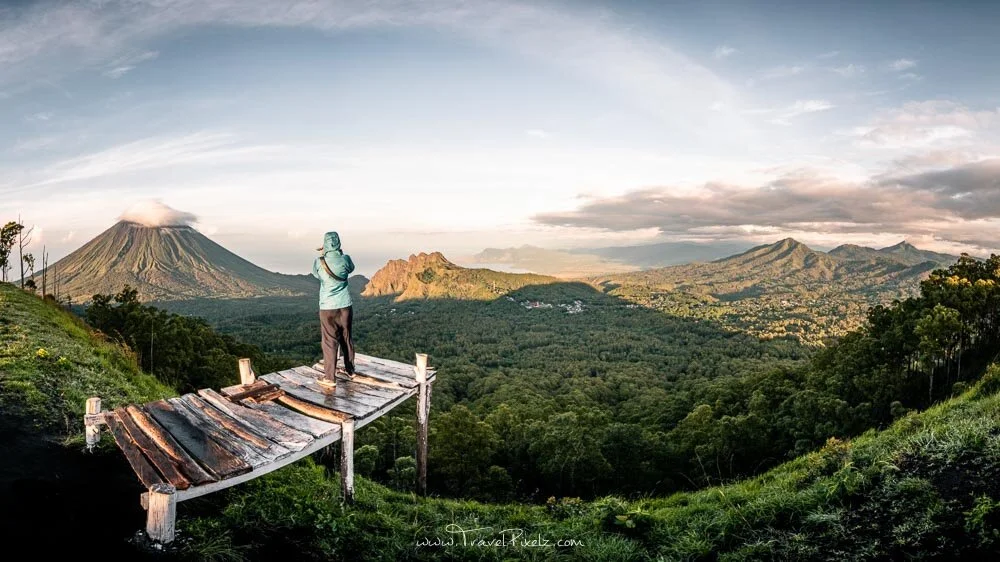
Why Way Fare Weekly Begins With a Strong Travel Mindset
A weak travel mindset often leads to impulsive decisions. Travelers may book destinations because they are trending online, heavily promoted by influencers, or temporarily discounted. While these opportunities can look attractive, they may not align with personal travel goals. This creates disappointment later when expectations and reality fail to match.
Way Fare Weekly encourages travelers to think deeper before making commitments. Travelers should ask themselves why they want to travel, what type of experience they want, and what level of comfort they expect. Some people want peaceful vacations, while others seek adventure, networking opportunities, educational experiences, or cultural exploration.
When mindset is clear, travel planning becomes far more effective. Travelers stop reacting emotionally and begin making strategic choices that align with their real goals. This shift improves every stage of the journey and creates stronger long-term travel habits.
The Hidden Cost of Poor Travel Planning
Poor planning often creates invisible problems that travelers do not notice until they are already on the trip. These problems include missed transportation, overspending, poor accommodation choices, unrealistic schedules, and lack of preparation for emergencies.
Many travelers assume planning only means booking flights and hotels. However, real planning involves understanding local transportation systems, budgeting daily expenses, preparing documents, studying weather patterns, and understanding local customs.
Way Fare Weekly teaches travelers that poor planning often costs more than premium travel decisions. A cheap hotel far from city attractions may seem affordable but can create expensive transportation costs every day. Similarly, choosing low-cost flights with long layovers can waste valuable travel time.
Strategic planning creates efficiency. Travelers save time, money, and emotional energy when they think beyond surface-level pricing.
Why Travel Purpose Should Shape Destination Choices
One of the biggest mistakes travelers make is selecting destinations before identifying their purpose. This often leads to destinations that do not match personal expectations.
A person seeking peace may accidentally book a crowded city destination. Someone seeking adventure may choose a location with limited outdoor opportunities. Families may select destinations that are difficult for children, while solo travelers may choose locations that feel isolating.
Way Fare Weekly encourages travelers to identify purpose before choosing destinations. Travel purposes may include relaxation, adventure, culture, food exploration, business networking, family bonding, education, or personal growth.
Once purpose becomes clear, destination selection becomes easier and more accurate. This leads to higher satisfaction and fewer regrets.
Financial Planning Creates Real Travel Freedom
Budgeting is often viewed negatively because people associate it with restriction. However, strong budgeting creates freedom by removing uncertainty.
Travel includes far more expenses than most people initially realize. Flights and accommodation are only part of the full cost structure. Food, local transportation, attraction tickets, shopping, mobile connectivity, travel insurance, and emergencies all contribute to overall expenses.
Way Fare Weekly encourages travelers to create full financial systems before booking. This means identifying fixed expenses, flexible expenses, and emergency reserves.
Travelers who understand their financial boundaries can enjoy their trips without constant anxiety about spending. Financial clarity creates emotional peace during travel.
Timing Strategy Changes Everything
Timing is one of the most powerful travel factors, yet many travelers ignore it. The same destination can offer completely different experiences depending on the season.
Peak seasons often bring high prices, large crowds, and limited availability. Off-seasons may reduce costs but introduce weather problems or reduced activity options.
Way Fare Weekly encourages travelers to research seasonal conditions carefully before booking. Shoulder seasons often provide the best combination of affordability, comfort, and lower crowd levels.
Proper timing dramatically improves travel experiences.
Transportation Planning Improves Daily Efficiency
Transportation problems can quickly destroy travel excitement. Many travelers focus only on flights and forget about transportation after arrival.
Long airport transfers, weak public transportation systems, and poor hotel locations can waste hours daily.
Way Fare Weekly encourages travelers to analyze transportation systems before booking. Airport access, local transport reliability, and walking distances should all be considered.
Efficient transportation improves daily productivity and reduces stress.
Accommodation Impacts Comfort and Productivity
Accommodation influences sleep quality, safety, convenience, and overall travel comfort.
Many travelers choose accommodation based only on low prices. This often leads to uncomfortable environments or poor locations.
Way Fare Weekly encourages travelers to evaluate accommodation based on overall value, including cleanliness, location, safety, and accessibility.
A smart accommodation decision improves the entire trip.
Cultural Awareness Creates Better Experiences
Every destination has unique traditions and expectations. Travelers who ignore these differences may create misunderstandings.
Greetings, dress standards, tipping customs, and public etiquette vary widely across countries.
Way Fare Weekly encourages travelers to study local customs before arrival.
Respect creates deeper travel experiences.
Flexibility Creates Better Memories
Over-planning often creates exhaustion. Many travelers create rigid schedules that leave no room for rest or unexpected discoveries.
Way Fare Weekly promotes structured flexibility. Important reservations should be planned, but daily activities should remain adaptable.
Flexible travelers often enjoy more meaningful experiences.
Technology Should Support Travel Systems
Modern travelers rely heavily on apps for navigation, bookings, and communication. While useful, technology failures can create major problems.
Way Fare Weekly encourages backup systems such as offline maps and printed travel documents.
Technology should enhance travel—not control it.
Personalized Travel Is Growing Rapidly
Travelers increasingly want experiences that reflect their personalities. Some prefer luxury, others prefer adventure, culture, wellness, or food experiences.
Way Fare Weekly encourages travelers to build personalized travel systems instead of copying generic itineraries.
Personalization creates stronger emotional memories.
Sustainable Travel Protects Future Tourism
Tourism growth creates pressure on natural resources and local communities.
Way Fare Weekly encourages travelers to support local businesses, reduce waste, and respect cultural heritage.
Sustainable travel helps protect future opportunities.
Learning From Every Travel Experience
Every trip provides lessons that improve future travel decisions.
Way Fare Weekly encourages travelers to review mistakes and improve their planning systems over time.
This creates smarter travelers with stronger long-term strategies.
Conclusion
Way Fare Weekly provides a complete framework for travelers who want smarter global experiences. By improving mindset, planning, budgeting, timing, transportation, accommodation, flexibility, personalization, and sustainability, travelers can create more meaningful journeys.
Instead of making random decisions, travelers can build structured systems that improve every trip and create long-term travel success.
About The Author
